Organization
UCSD Office of Innovation & Commercialization
Category
Business
Year
Mar 2025 – Jun 2025
Location
San Diego, California, USA
Status
Completed
Focus
Systems engineering, Energy resilience, Cost-risk modeling
Designed a scalable energy-resilience modernization concept for a U.S. Air Force installation, strengthening mission continuity during grid outages and infrastructure disruptions.
Project Overview
Project Name
Resilient Energy for Mission Success – Infrastructure Modernization Strategy
Client Background
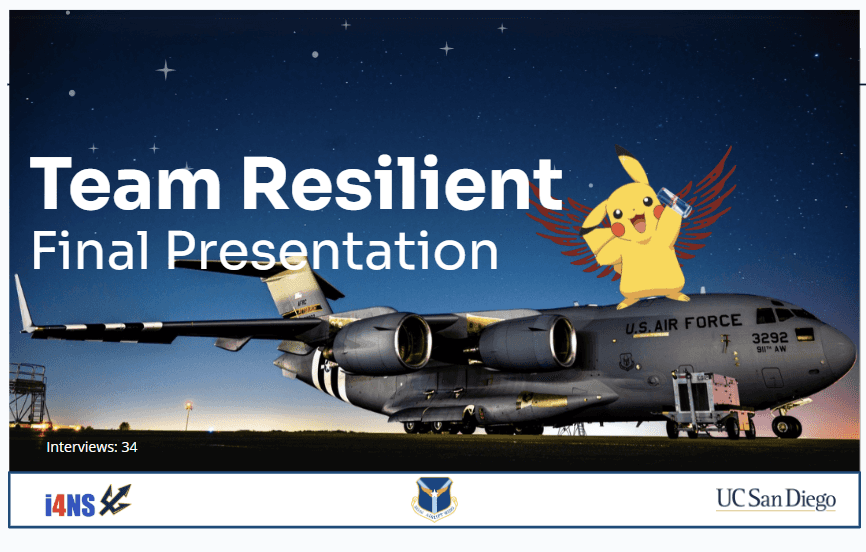
The 911th Airlift Wing Installation Base Civil Engineering Unit (BCE) is responsible for maintaining operational infrastructure, utilities management, and emergency response readiness at Pittsburgh International Airport Air Reserve Station. Current power infrastructure relies on a single external grid feed, creating operational vulnerability during outages.
Objective
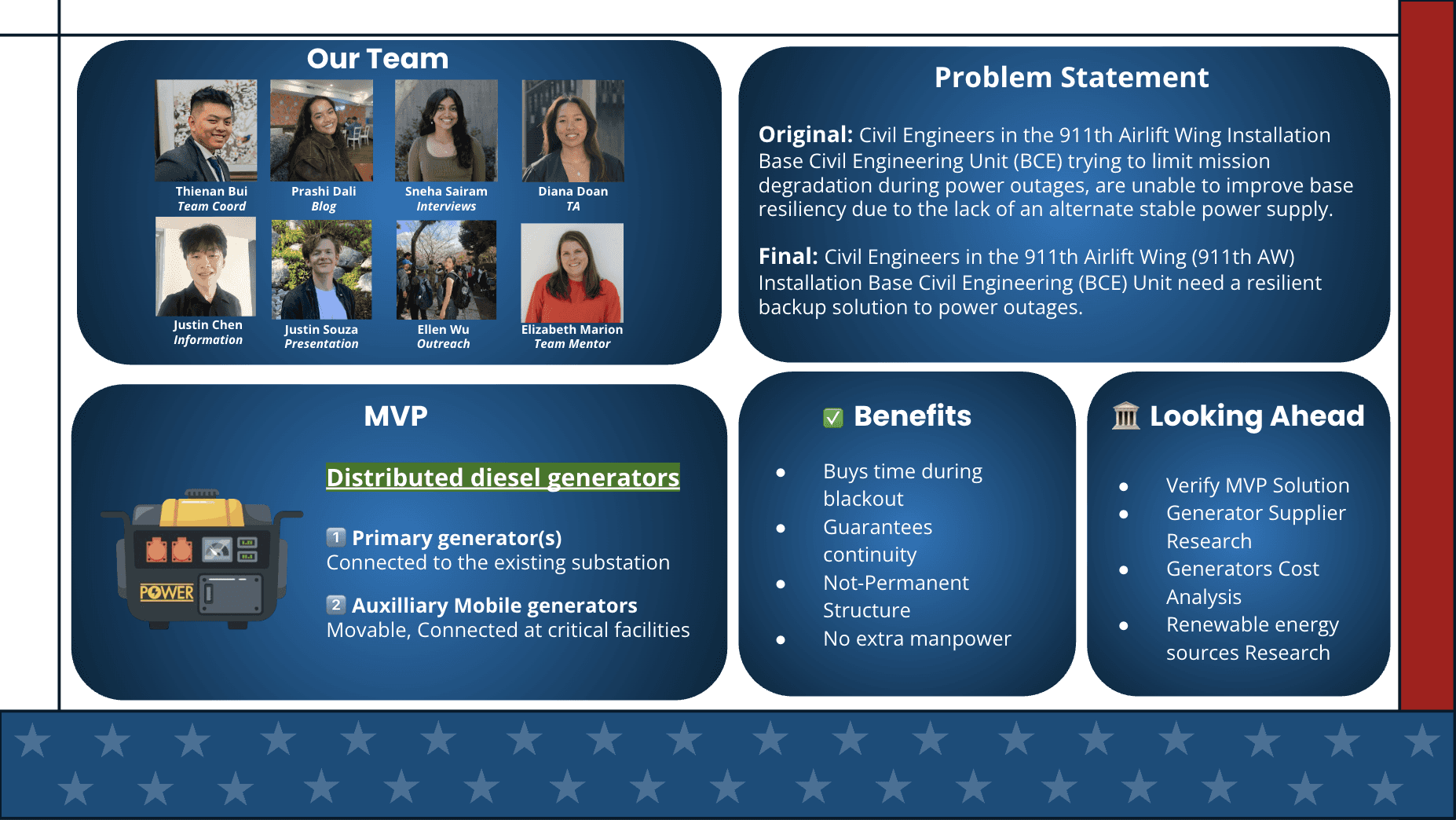
Develop a scalable modernization concept for base energy resilience that ensures uninterrupted mission capability during power disruptions while reducing long-term reliance on distributed generator systems and improving operational sustainability.
Scope
• Conduct infrastructure and logistics analysis of existing base energy systems
• Identify resilience vulnerabilities within generation, distribution, and backup systems
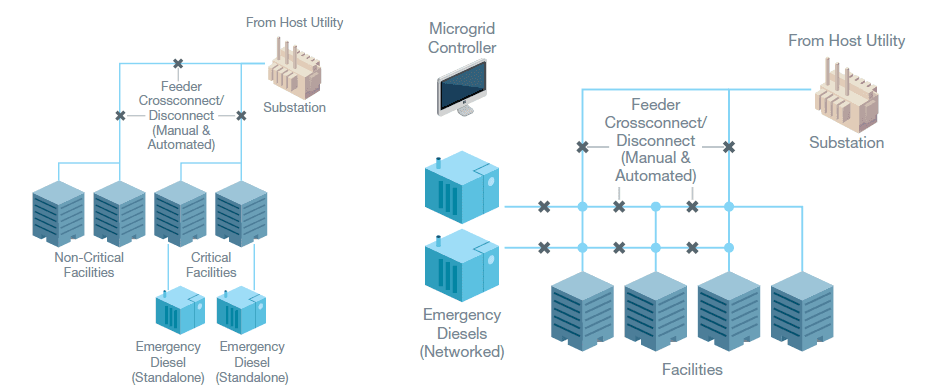
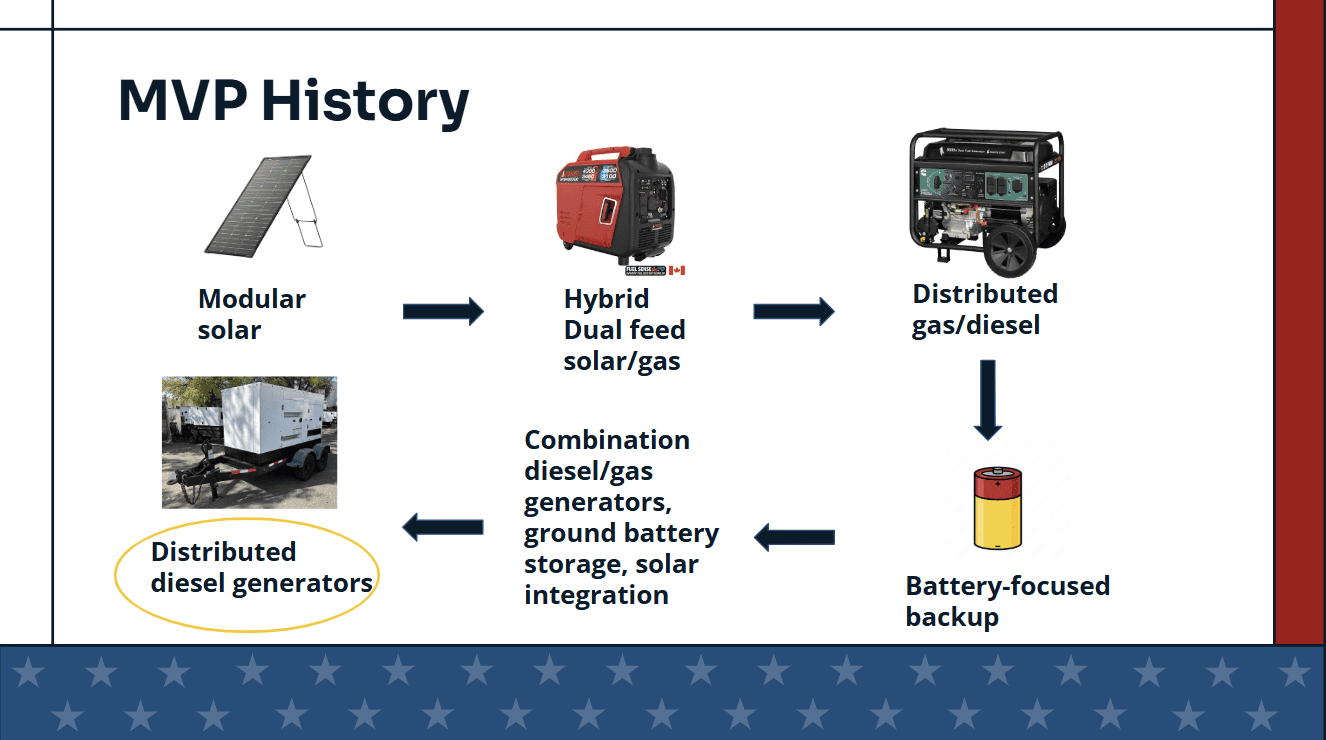
• Develop alternative power architecture concepts including microgrid integration
• Evaluate lifecycle cost implications of modernization pathways
• Align proposed solutions with Department of Defense acquisition frameworks
Key Details
Location: Pittsburgh International Airport Air Reserve Station
Installation: 911th Airlift Wing
Program: Department of Defense – Hacking for Defense (H4D)
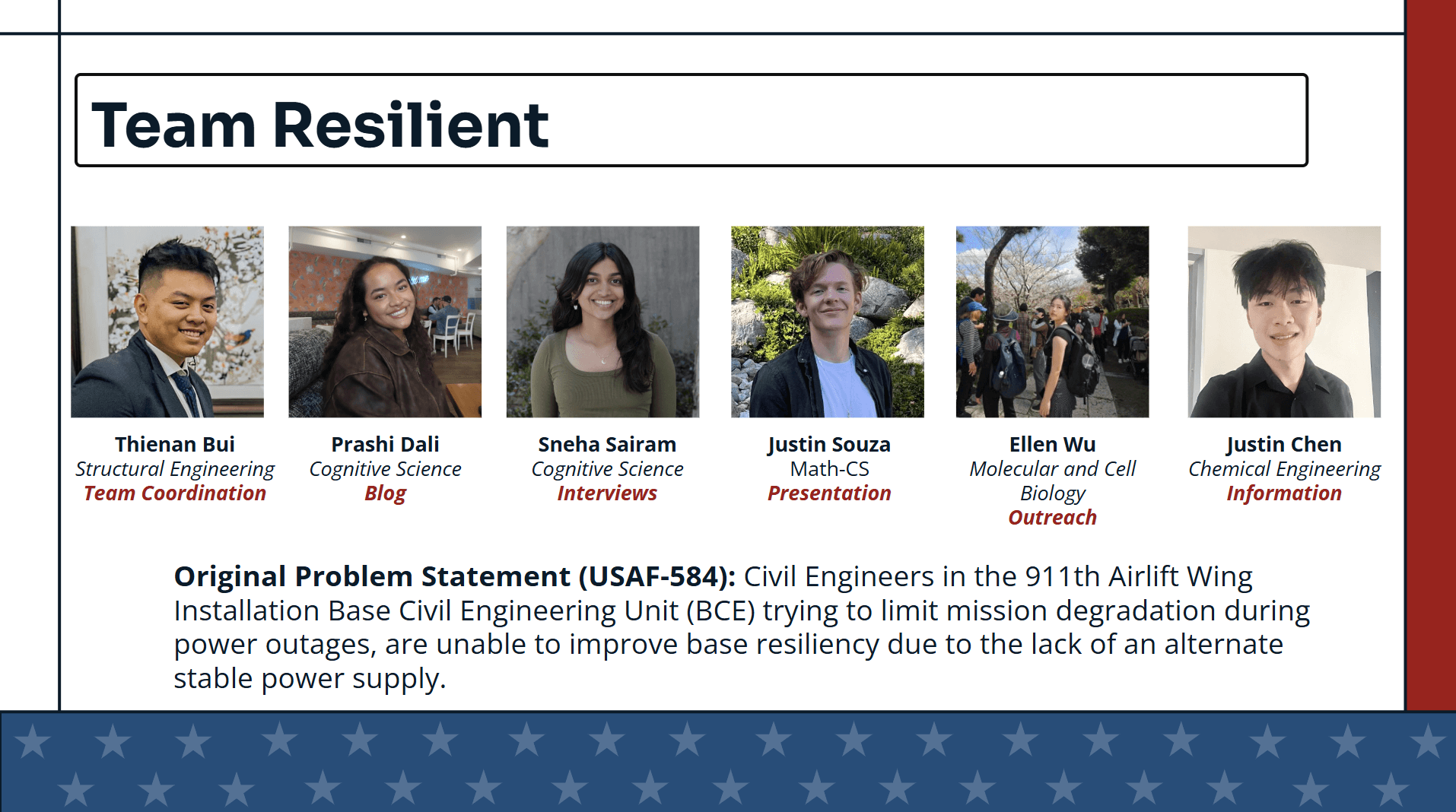
Team Size: 6 researchers and engineers
Operational Challenge
Single public grid feed supplying base infrastructure creates vulnerability to mission disruption during outages.
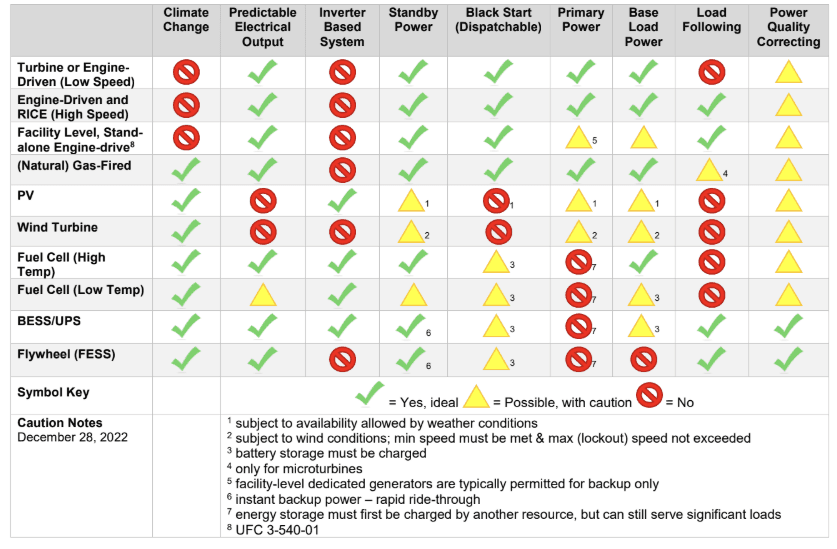
Core Systems Evaluated
• Backup generator network
• Potential renewable energy integration
• Distributed storage and microgrid systems
• Infrastructure modernization pathways
Strategic Frameworks Applied
• Mission Model Canvas (MMC)
• Technology Readiness Levels (TRL)
• Adaptive Acquisition Framework (AAF)
• Unified Facilities Criteria (UFC)
Design Approach and Execution
Concept and Vision
Design Philosophy
The project focused on strengthening installation resilience through layered energy systems capable of maintaining operational continuity during infrastructure disruption or emergency scenarios.
Key Principles
Operational Redundancy
Ensure mission-critical infrastructure can function independently of external grid disruptions.
Modular Scalability
Design systems that can scale across installations depending on location, infrastructure constraints, and available energy resources.
Lifecycle Sustainability
Balance operational reliability with long-term cost efficiency and infrastructure maintainability.
Strategic Inspiration
Defense installations implementing microgrid technology and renewable integration in remote and high-risk environments such as Alaska and Pacific installations informed the resilience framework.
Execution
Phase 1 — Infrastructure and Systems Analysis
Conducted analysis of existing base power systems including generator distribution, grid dependency, and electrical infrastructure.
Mapped energy resilience vulnerabilities that could degrade mission operations during prolonged outages.
Evaluated the feasibility of integrating alternative energy generation and distributed storage solutions.
Phase 2 — Operational Logistics Modeling
Performed supply chain and logistics analysis of energy generation, storage, and distribution systems.
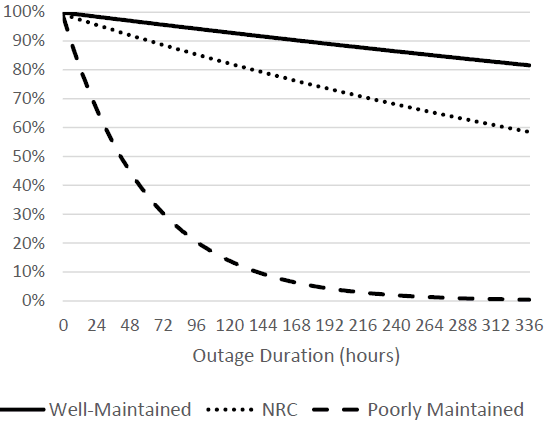
Identified sustainment challenges including fuel logistics, generator maintenance, and infrastructure redundancy.
Developed resilience mitigation pathways to ensure mission-critical operations remain functional during disruptions.
Phase 3 — Technology Validation and Compliance
Applied Department of Defense acquisition frameworks to assess solution viability.
Evaluated technologies using Technology Readiness Level (TRL) maturity models.
Ensured conceptual designs aligned with infrastructure requirements outlined in Unified Facilities Criteria and DoD energy resilience policy.
Phase 4 — Deployment Strategy Development
Developed a modernization roadmap for implementation across multiple infrastructure phases.
Constructed cost–risk models balancing capital investment, operational resilience, and long-term sustainment logistics.
Produced a final strategic recommendation outlining modernization pathways for base infrastructure upgrades.
Results and Outcome
Outcome
Improved Operational Resilience
Developed a scalable modernization framework capable of maintaining mission-critical operations during power disruptions.
Strategic Infrastructure Roadmap
Delivered a phased implementation pathway aligning with Department of Defense acquisition and infrastructure standards.
Operational Cost Awareness
Identified lifecycle cost tradeoffs between generator dependency and distributed energy solutions.
Mission Assurance
Proposed resilience architecture capable of supporting uninterrupted base operations during grid outages and emergency scenarios.
Credits and Collaboration
Program
Department of Defense – Hacking for Defense (H4D)
Academic Partner
University of California San Diego – Innovating for National Security (i4NS)
Defense Sponsor
911th Airlift Wing Installation Base Civil Engineering Unit
Key Stakeholders
• National Renewable Energy Laboratory engineers
• Installation energy managers
• Base civil engineering leadership
• UC San Diego research advisors
Gallery

More Projects
Continue exploring related work.


No eligible item
No eligible item